The Case for Rereading: Why Going Back Beats Always Moving On
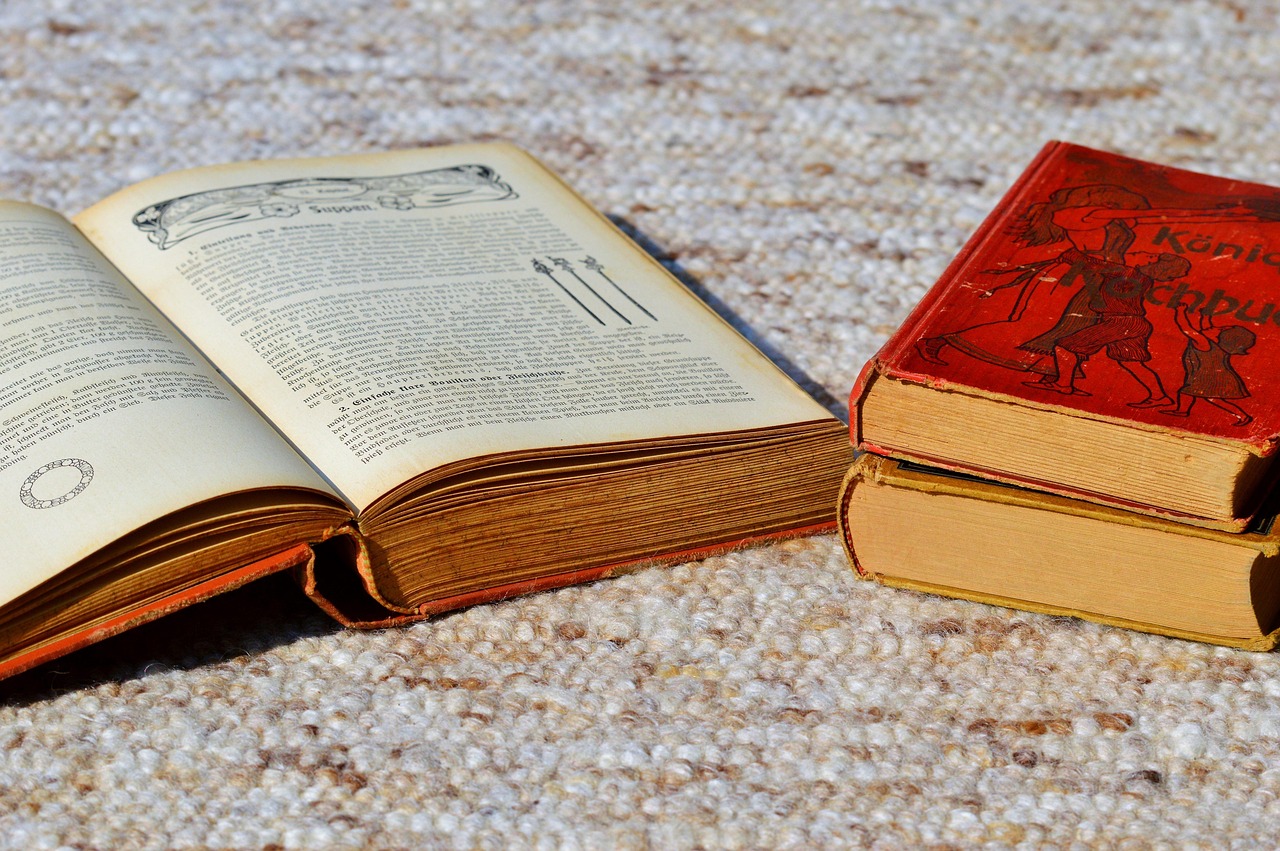
There is a quiet pressure in reading culture to always be moving forward. The to-be-read pile grows, the recommendations multiply, and finishing a book is often followed immediately by the question of what is next. Rereading can feel like a step backward, a waste of precious reading time on something already consumed. I have come to believe the opposite is true, at least some of the time.
The first time you read a book, you are mostly finding out what happens. You are following the argument, meeting the characters, learning the shape of the thing. That first pass is necessary, but it is also shallow in a way that is easy to miss. You cannot fully absorb a book while you are still figuring out where it is going.
What a Second Pass Reveals
The second time through, you already know the destination, and that frees your attention for everything else. In a growth book, you start to notice the structure of the argument, the assumptions underneath it, and the parts that did not land the first time. In a memoir or a book of essays, you catch the recurring themes and the sentences the author clearly cared most about. The book has not changed. Your attention has.
There is also the matter of timing. A book that meant little to you at twenty-five can land with real force at forty, not because the book improved but because you did. You bring different questions to it. The chapters that once seemed abstract now describe something you have lived. This is one of the few genuine advantages of getting older, and rereading is how you collect on it.
The practical case is just as strong. Rereading is cheaper than buying new books, faster than starting something unfamiliar, and more reliable than trusting a recommendation from a stranger. You already know whether the book is worth your time. There is no gamble.
How to Reread Well
The trick is not to reread passively. Going through a familiar book on autopilot is pleasant but not especially useful. Instead, bring a question. What did I miss? What has changed in how I read this? What does the author do that I did not appreciate before?
It also helps to reread selectively. You do not have to go cover to cover. Some books have two or three chapters that carry most of the value, and returning to those is entirely reasonable. A well-worn section of a book you love is a kind of personal library within a library.
If you have been meaning to slow down your reading, rereading is one of the easiest ways to start. Pick a book that stayed with you, open it again, and pay attention to what shows up this time. You may find that the book you thought you knew has more to say than you gave it credit for.