The Overlooked Skill of Doing Nothing Well
Somewhere along the way, most of us absorbed the idea that rest has to be earned. We finish the project, answer the emails, tick off the list, and only then allow ourselves to sit down. The trouble is that the list never ends, so the rest never comes. We end up treating stillness as a luxury rather than a basic input, like sleep or food.
This is a costly mistake, and not just because it leaves us tired. When we never pause, we lose access to a kind of thinking that only happens in the gaps. Insight rarely shows up while you're grinding. It shows up in the shower, on a walk, in the five quiet minutes before you fall asleep. If your life has no gaps, it has no room for those arrivals.
Why We Resist Stillness
Part of the resistance is cultural. We're surrounded by signals that busyness equals worth. If you're not producing, you're falling behind. Part of it is psychological. Stillness brings us face to face with thoughts we've been outrunning, and that can feel uncomfortable. It's easier to scroll, to plan, to organize a drawer.
But there's a subtler reason too. We've been taught that rest should be productive in its own way. We want the perfect morning routine, the optimized wind-down, the meditation that improves our focus. Even our downtime gets a performance metric. And when rest has to justify itself, it stops being rest at all.
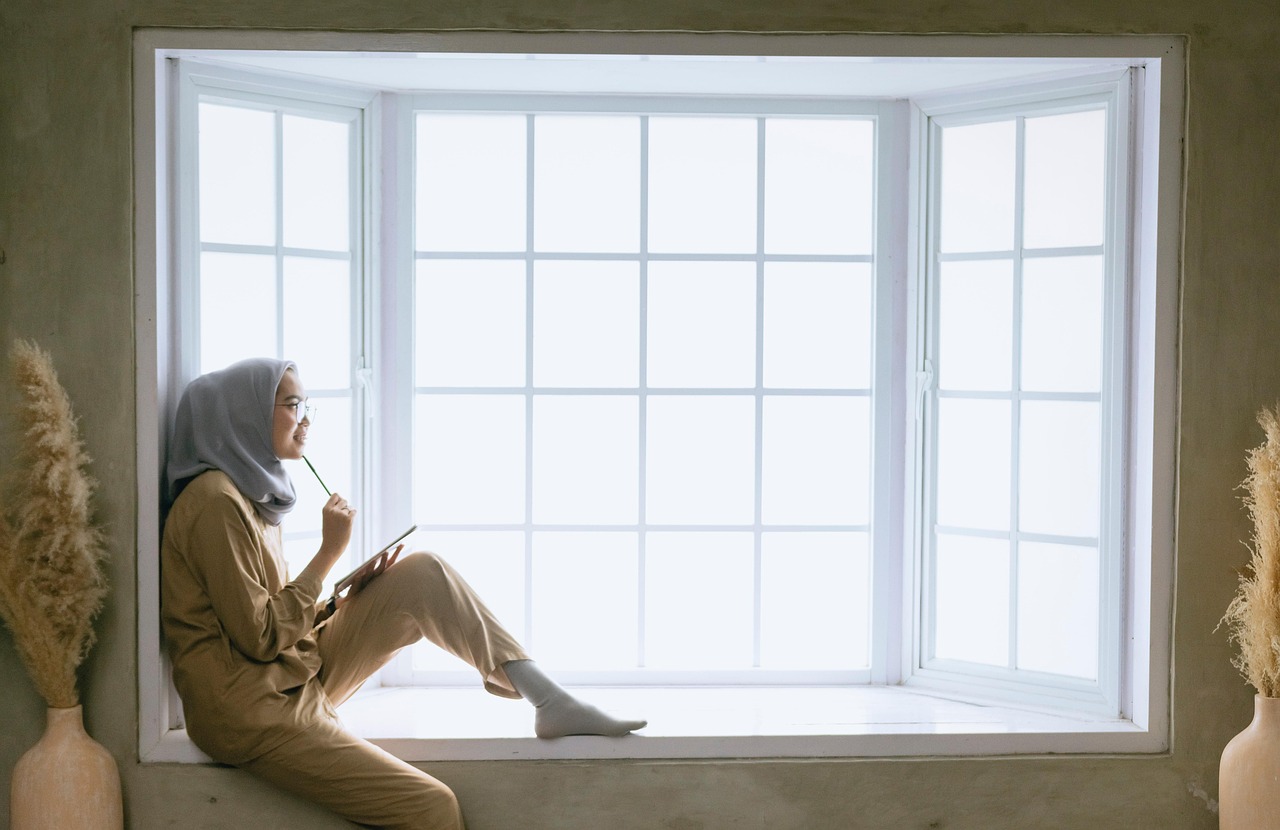
Real rest is unglamorous. It doesn't look good on a calendar. It might mean staring out a window for fifteen minutes with no podcast playing. It might mean sitting on the floor with your dog and doing absolutely nothing of note. The value isn't in what it produces. The value is in the reset itself.
Practicing Rest Without Guilt
Start by noticing the story you tell yourself when you're not doing anything. Is it "I should be working"? "I'm wasting time"? Just observe it. You don't have to argue with the thought. Naming it is often enough to loosen its grip.
Then try scheduling emptiness the way you'd schedule a meeting. Not a spa day or a big escape, just a small pocket of unclaimed time. Twenty minutes with your phone in another room. A slow cup of tea with no screen. The point is to practice being a person who isn't always mid-task. It will feel strange at first. Most worthwhile skills do.
Notice what happens over a week or two. You may find that you're not actually less productive. You may find you're more patient, quicker to laugh, less likely to snap at the person who cuts you off in traffic. Rest doesn't just restore energy. It restores the version of you that other people actually enjoy being around, including yourself.
We tend to think of growth as adding things: new habits, new skills, new goals. But some of the most important growth comes from subtraction. Taking away the noise, the urgency, the constant doing. What's left is quieter, but it's usually the part of you that knows what actually matters. Give it room to speak.