The Quiet Power of Tiny Habits: Why Small Changes Stick
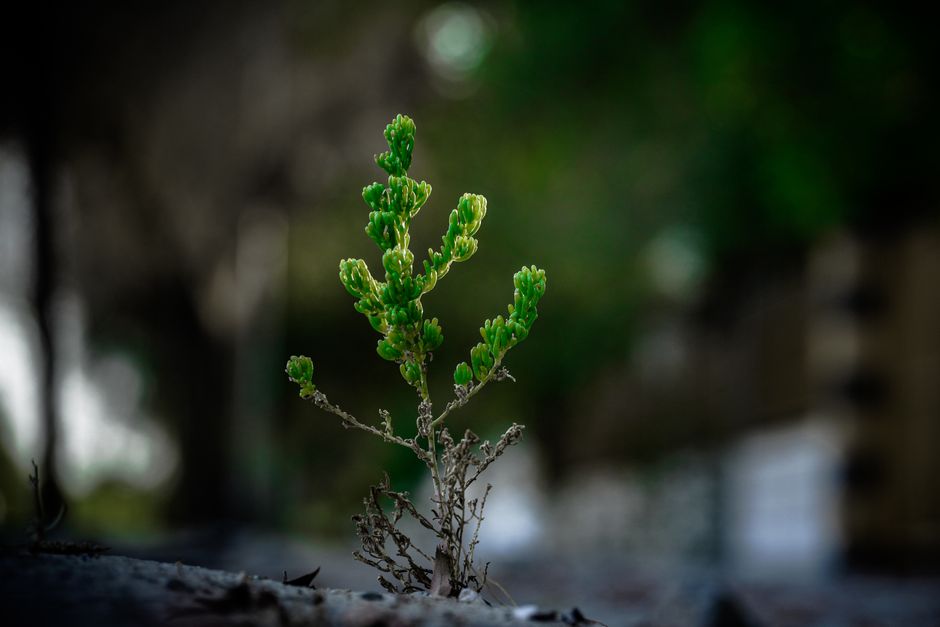
Every January, millions of us make the same mistake: we decide to change everything at once. We swear off sugar, commit to the gym, and promise to read an hour a night. By February, most of those promises have collapsed. The problem isn't willpower. It's the size of the ask. When we aim for dramatic transformation, we set ourselves up for a fight against our own brains, which prefer the familiar path every single time.
This is where the case for tiny habits becomes so compelling. Instead of overhauling your life in one heroic leap, you start with something so small it feels almost silly. Two push-ups. One page of a book. A single glass of water after waking up. The goal isn't the action itself. The goal is becoming the kind of person who does that action without thinking.
Why Your Brain Resists Big Changes
Habits are essentially energy-saving shortcuts. When you repeat a behavior in a consistent context, your brain stops deliberating and starts automating. That's wonderful for things like brushing your teeth, but it makes sudden change difficult. A massive new routine requires constant conscious effort, and conscious effort is a limited resource. It drains over the course of a day.
Tiny habits slip past this resistance because they barely register as effort. You can do two push-ups even on your worst day. You can read one page while the kettle boils. Because the behavior is small, you don't trigger the internal negotiation that usually ends with "I'll start tomorrow." Over weeks, that small action becomes anchored to a cue, and the cue starts pulling the behavior along automatically.
How to Build a Tiny Habit That Actually Lasts
Start by choosing an anchor: an existing routine that already happens reliably. After I pour my morning coffee. Right after I park the car. Once I brush my teeth. Your new habit needs to attach itself to something stable, or it will float away.
Next, shrink the behavior until it feels almost too easy. Not "exercise for thirty minutes," but "put on my running shoes." Not "journal every day," but "write one sentence." The point is consistency, not intensity. You can always do more on days when you feel like it, but the baseline stays laughably small so you never have an excuse to skip.
Finally, celebrate immediately. A small fist pump, a quiet "nice," a genuine smile. It sounds corny, but emotion is what teaches your brain that this behavior is worth repeating. Without a moment of positive feeling, the habit has no reason to stick.
What makes this approach so powerful is that it changes your identity rather than just your schedule. Every time you follow through, you cast a vote for a slightly different version of yourself. The votes accumulate quietly. Six months from now, you may not remember deciding to become someone who reads every night or moves every morning. You'll just be that person, and it will feel like it was always this way. Start smaller than you think you need to. Your future self is built one tiny, unremarkable moment at a time.